by Cody Douglas, Communications Consultant, Compost for Good
Most people don’t realize how much food they throw away every day. Too often, we throw away leftovers no one eats, fruits and vegetables that spoil, or pieces of food that could have been used.
The Environmental Protection Agency (EPA) estimated that in 2019, 66 million tons of wasted food was generated in the food retail, food service, and residential sectors, and most of this waste (about 60%) was sent to landfills. Wasted food is responsible for 8% of the world’s carbon pollution and is the single largest sector of municipal landfills in the United States, making up roughly 24% of all landfilled waste.
When food breaks down in these landfills, it creates carbon dioxide and methane gas, two harmful greenhouse gases responsible for climate change. Not only does wasted food generate carbon dioxide and methane gas, but it also wastes the resources that went into producing that food, such as the water, land, energy, labor, fertilizer, etc. This waste can even lead to higher grocery prices to offset the cost of the wasted resources. All the while, many people don’t have enough to eat.
Thankfully, with some mindful thinking, we can waste less food, save money, decrease carbon emissions, reduce pressure on our landfills, and improve food security.
According to the Environmental Protection Agency’s Wasted Food Scale, the first course of action should be to prevent wasted food. This requires us to produce, buy, and serve only what is needed.
Here are a few tips to put this into action: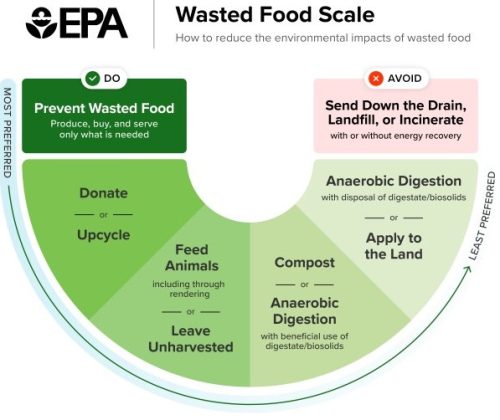
- Check what food you already have at home, then plan your meals for the week around food that might go bad soon.
- Make a shopping list of any other food you might need for the meals you have in mind.
- Don’t shop on an empty stomach! This can lead to buying extra snacks. Instead, stick to your list when you shop.
- Store your food the right way so it stays fresh longer. Check out this fruit and vegetable storage guide for tips for proper food storage.
- Food date labels are rarely an indicator of food safety, and are mostly used to indicate the last date for a product’s best quality. Every year, about three billion pounds of food worth over $7 billion are thrown away because people are confused by the dates on the labels.
Another opportunity to reduce wasted food is to donate and repurpose excess food. This helps keep food out of the trash while helping others.
- Use food that is getting old, such as wilted spinach, in new ways. You can add it to soups, casseroles, stir-fries, sauces, or even smoothies instead of throwing it away.
- Help others by donating extra food to your local food pantry. Visit the Feeding New York State website to find a food pantry near you.
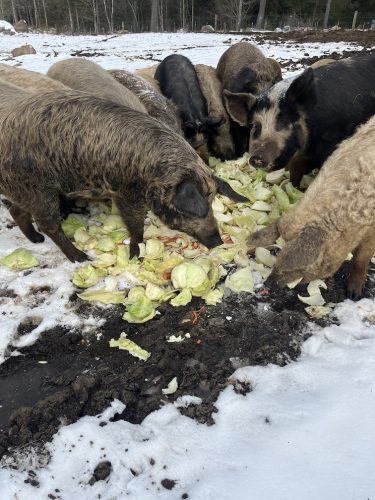
Next, consider feeding animals with any excess food that can’t be donated, or leave food unharvested if you’re a farmer.
- Give leftover food like bread, milk, fruits, or vegetables to animals. Ask local farmers or friends with chickens or pigs if they want your food scraps to feed their animals. (Note: there are state and federal regulations around feeding food scraps to livestock).
- If you’re a farmer yourself, consider leaving food unharvested to feed wildlife or livestock.
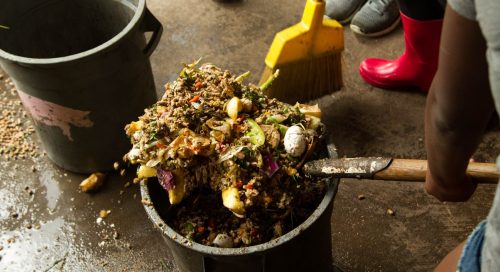
Photos: 1) Students at North Country School in Lake Placid collect food scraps for composting; 2) Food waste collection bins at Sugar House Creamery in Upper Jay; 3) Pigs feast on vegetable scraps at Kate Mountain Farm in Vermontville; 4) The Cook Farm in Owls Head converts food scraps to compost for use on the farm; 5) Lettuce grows in compost-rich soil at North Country School.
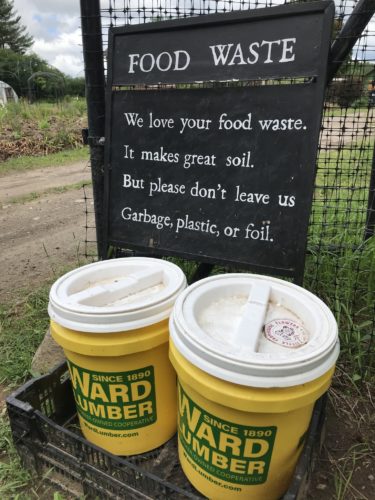
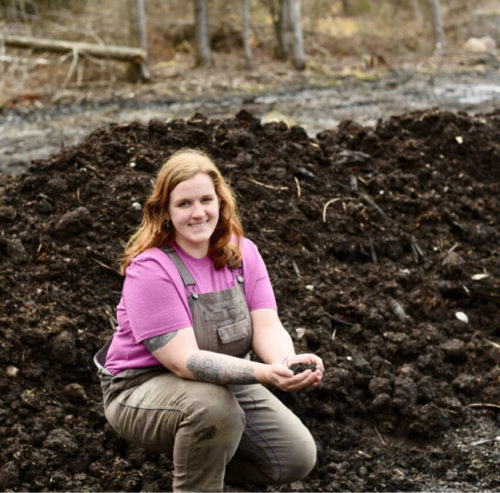
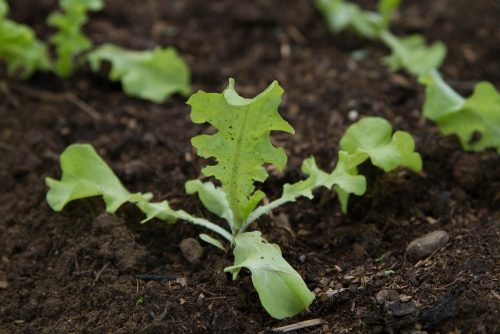
Composting is a great alternative to recycle wasted food that is not safe for donation or animal feed. Staff at Compost for Good (CfG) are eager to offer support to community members interested in learning more about composting. You can learn more about backyard composting in CfG’s Backyard Composting guide.
The final preferred method for handling wasted food is to apply the food back to the land, such as by plowing produce back into the soil.
The best way you can reduce food waste and work to reduce your climate change footprint is to avoid sending food down the drain, to the landfill, or incinerating it. With the tips here, you can do your part to waste less food, save money, decrease carbon emissions, reduce pressure on our landfills, and improve food security.
To learn more about Compost for Good, our broad network of partners, and our community-based work across the Adirondack North Country, visit our webpage at www.adirondack.org/cfg or contact our team at [email protected].
Looking for more inspiration? Check out Compost for Good’s video, Reimagine Waste – Reduce, Reuse, Recycle, produced last year by Adsit Media Works.